Introduction to Post-Trauma Care and Rehabilitation
After an injury or stressful event, the road to recovery can feel long. Post-trauma care and rehabilitation essentials help people heal both body and mind. Many now look to holistic post-trauma care, including yoga and naturopathy, for support. These natural methods focus on gentle movement, relaxation, and healthy living. As a result, they can help speed up healing and improve quality of life.
Common Symptoms and Challenges After Trauma
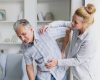
Trauma can affect people in many ways. Some symptoms appear right away, while others develop over time. However, knowing what to expect can make recovery easier. Common symptoms include:Pain or stiffness in muscles and jointsFatigue or low energySleep problemsFeeling anxious or sadDifficulty focusing or remembering thingsChanges in appetite
But everyone heals at their own pace. Some may also face challenges like fear of movement, loss of confidence, or social withdrawal. With the right support, these hurdles can be overcome.
Causes and Types of Trauma Addressed by Yoga and Naturopathy
Trauma can result from many causes. For example, accidents, falls, surgery, or emotional stress can all lead to trauma. Yoga and naturopathy are often used for:Physical injuries (like sprains, fractures, or muscle tears)Post-surgical recoveryEmotional or psychological traumaChronic pain after an injury
Because these methods are gentle, they suit people of all ages. They can also be adapted for different needs and abilities.
Diagnosis and Assessment in Post-Trauma Care
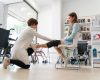
Before starting post-trauma rehabilitation with yoga or naturopathy, a proper assessment is key. Doctors or therapists will:Review your medical historyCheck your physical abilities and pain levelsAsk about your mood and sleepSet clear goals for recovery
With this information, a safe and effective plan can be made. This helps track progress and adjust care as needed.
Evidence-Based Yoga and Naturopathy Interventions for Rehabilitation
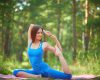
Yoga and naturopathy offer many tools for healing. According to the World Health Organization, gentle movement and relaxation can support recovery. Some proven interventions include:Simple yoga poses to improve flexibility and strengthBreathing exercises to reduce stress and painMeditation for better mood and focusHydrotherapy (water-based therapy) for pain reliefMassage and herbal treatments to ease muscle tension
However, all exercises should be done under expert guidance. This ensures safety and the best results.
Nutrition and Lifestyle Guidance for Recovery
Good nutrition is vital for healing. For example, eating a balanced diet helps the body repair tissues and fight infection. Key tips include:Eat plenty of fruits and vegetablesChoose whole grains and lean proteinsStay hydrated with water or herbal teasLimit processed foods and sugary snacks
In addition, healthy habits like regular sleep, gentle movement, and stress management can speed up recovery. Naturopathy for trauma recovery often includes these lifestyle changes.
Prevention of Complications and Relapse
Preventing problems after trauma is just as important as healing. With the right steps, you can lower the risk of setbacks. For instance:Follow your care plan closelyDo exercises as advised by your therapistWatch for signs of infection or new painKeep a positive outlook and seek support when needed
By staying active and mindful, you can avoid many common complications.
When to Seek Professional Help
Sometimes, extra help is needed. If you notice any of these signs, contact a healthcare provider right away:Severe or worsening painFever or signs of infectionSudden weakness or numbnessFeeling very sad or anxious for many days
Early action can prevent serious problems and support a full recovery.
Conclusion
Post-trauma care and rehabilitation essentials include gentle movement, healthy habits, and expert support. Yoga and naturopathy offer safe, natural ways to heal after trauma. For the best results, consult a qualified yoga and naturopathy specialist at Pranava Nature Cure and Yoga Clinic for personalized post-trauma care and rehabilitation guidance.


Recent Comments