The root for the word Yoga comes from the Sanskrit word ‘Yuj’ which means the Union. Here it means the Union of the Mind, Body and Spirit, also the Union of Oneself with the Universal Self. This holistic science emphasizes that this Union is necessary for a person seeking good health and well-being. Sage Patanjali is considered as the Father of Yoga. He formulated the Astanga Yoga – the Yoga with 8 paths which is widely practiced today.
Yoga is particularly of importance in today’s life to prevent and cure diseases – the so-called psychosomatic diseases – the cause of which is mainly from the mind. In today’s life of Stress, Yoga thus acquires an imminent role.
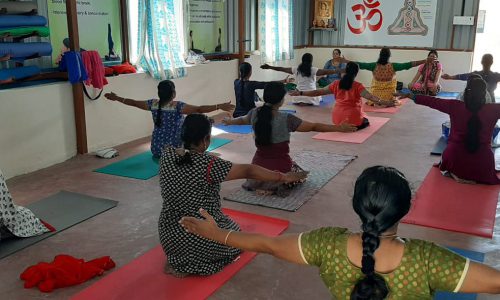
The parts of Yoga mainly used in therapeutics are Asanas, Pranayamas, Meditation, Kriyas, and Relaxation techniques.
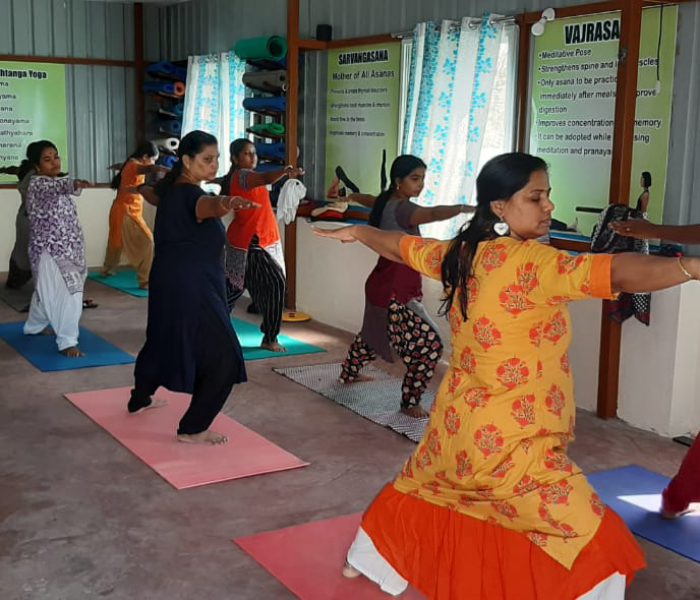
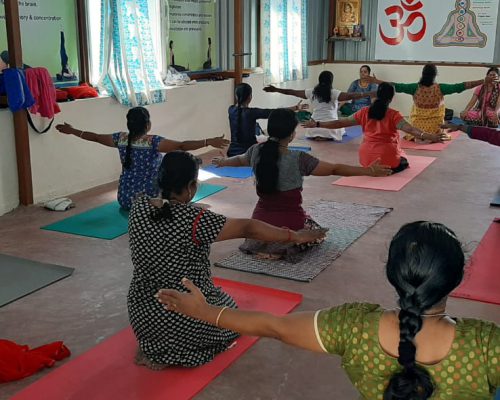
Yoga helps balance the mind, body, and spirit through physical postures, breathing exercises, and meditation, promoting better physical health and mental well-being.
Yoga therapy may include asanas (postures), pranayama (breathing techniques), meditation, kriyas (cleansing practices), and relaxation techniques.
Yes, yoga can support the management of conditions such as diabetes, hypertension, obesity, stress-related disorders, thyroid problems, and respiratory conditions.
Yes, specialized yoga therapy programs are available for pregnancy care, fertility support, PCOD, asthma, stress management, and sleep disorders.
Yes, yoga can be practiced by people of all ages and fitness levels. The exercises are guided and adapted according to each individual’s health condition.
Yes, regular yoga practice helps calm the mind, reduce stress, improve concentration, and enhance emotional balance.
These therapies work well alongside Yoga Therapy:
Explore our full range of natural healing therapies at Pranava Nature Cure: