
Acupuncture is a component of the health care system that can be traced back at least 2,500 years. The general theory of acupuncture is based on the premise that there are patterns of energy flow (Qi) through the body that are essential for health. Disruptions of this flow are believed to be responsible for disease. Acupuncture may, it has been theorized, correct imbalances of flow at identifiable points close to the skin.
Acupuncture is a family of procedures involving stimulation of anatomical locations on or in the skin by a variety of techniques. There are varieties of approaches to diagnosis and treatment in acupuncture that incorporate medical traditions. The most thoroughly studied mechanism of stimulation of acupuncture points employs penetration of the skin by thin, solid, metallic needles, which are manipulated manually or by electrical stimulation.
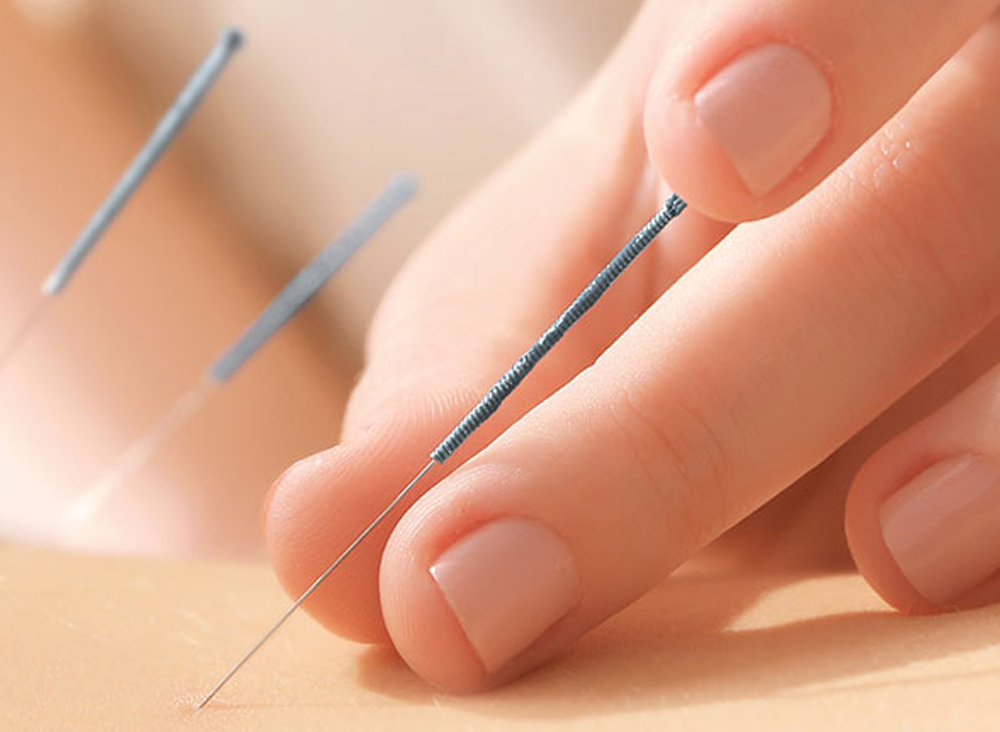

Several years ago, the World Health Organization (WHO) published an official report listing 31 symptoms, conditions and diseases that have been shown in controlled trials to be treated effectively by Acupuncture. Following is the list of conditions shown through controlled trials to be treated effectively by Acupuncture:
Traditional Chinese medicine explains that health is the result of a harmonious balance of the complementary extremes of yin and yang of the life force known as gi or chi. Qi is said to flow through meridians (pathways) in the human body. Through 350 acupuncture points in the body, these meridians and energy flows may be accessed. Illness is said to be the consequence of an imbalance of the forces. If needles are inserted into these points with appropriate combinations it is said that the energy flow can be brought back into proper balance.
In several parts of the world, acupuncture is explained including concepts of neuroscience. Acupuncture points are seen by practitioners as places where nerves, muscles and connective tissue can be stimulated. Acupuncture practitioners say that the stimulation increases blood flow while at the same time triggering the activity of our own body’s natural painkillers.
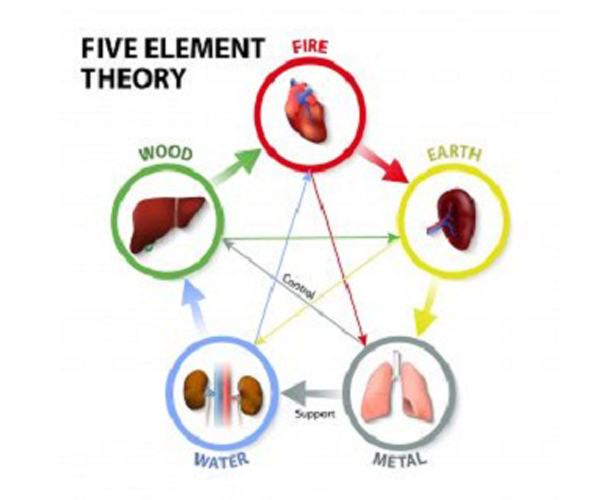
Acupuncture stimulates specific points on the body using thin needles to help balance the body’s energy flow, improve circulation, and support natural healing.
Acupuncture may help with conditions such as back pain, neck pain, headaches, arthritis, digestive issues, stress, hypertension, and respiratory problems.
Most people experience little to no pain during acupuncture. The needles used are extremely thin, and many patients feel only a mild sensation or relaxation during the session.
A typical acupuncture session usually lasts 30 to 45 minutes, depending on the patient’s condition and treatment plan.
Yes, acupuncture is generally safe when performed by trained professionals using sterile, single-use needles.
Yes, acupuncture is often combined with other therapies such as yoga, diet therapy, herbal therapy, and relaxation techniques to support holistic healing.
These therapies work well alongside Acupuncture:
Explore our full range of natural healing therapies at Pranava Nature Cure: