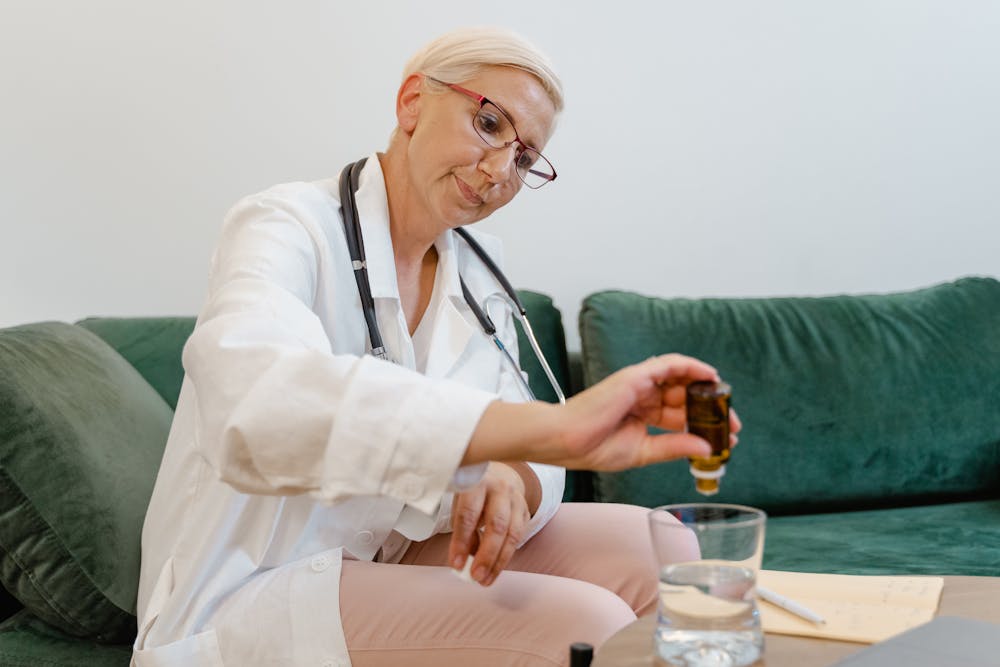
When it comes to treating illness and maintaining health, people today have more choices than ever. Two of the most widely discussed approaches are naturopathy and allopathy (conventional Western medicine). Each system has its own philosophy, methods, strengths, and limitations. Understanding the differences can help you make informed decisions about your healthcare. At Pranava Nature Cure and Yoga Clinic in Hosur, Tamil Nadu, we believe in an integrative approach that draws on the best of both worlds.
What Is Allopathy?
Allopathy, also known as conventional or Western medicine, is the most widely practiced system of medicine globally. It focuses on diagnosing diseases using scientific methods such as lab tests, imaging, and physical examination, and treating them with pharmaceutical drugs, surgery, and other medical interventions.
Key characteristics of allopathy:
- Evidence-based approach with rigorous clinical trials[1]
- Uses pharmaceutical drugs to manage symptoms and treat diseases
- Highly effective for acute conditions, emergencies, and surgical interventions
- Specializes in specific organ systems (cardiology, neurology, orthopedics, etc.)
- Focuses primarily on the disease and its symptoms
What Is Naturopathy?
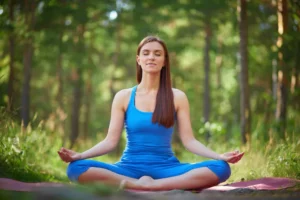
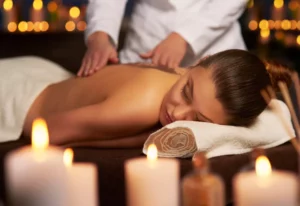
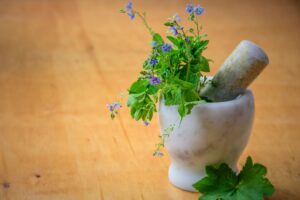
Naturopathy is a holistic system of medicine that uses natural therapies to stimulate the body’s inherent ability to heal itself. It treats the whole person — body, mind, and spirit — rather than focusing solely on the disease. Naturopathic treatments include diet therapy, yoga, hydrotherapy, mud therapy, massage therapy, herbal medicine, acupuncture, and more.
Key characteristics of naturopathy:
- Holistic approach that treats the whole person
- Uses natural, non-invasive therapies
- Focuses on identifying and addressing root causes of disease
- Emphasizes prevention and lifestyle modification
- Minimal or no side effects from treatments
- Empowers patients to take an active role in their health
Naturopathy vs Allopathy: Key Differences
1. Philosophy of Treatment
Allopathy treats the disease — it identifies specific symptoms and uses targeted drugs or procedures to eliminate or manage them. The focus is on what is wrong and how to fix it.
Naturopathy treats the person — it looks at the underlying imbalances in diet, lifestyle, stress, and environment that led to the disease. The goal is to restore the body’s natural balance so it can heal itself.
2. Treatment Methods
Allopathy relies on pharmaceutical drugs, surgery, radiation, and other medical technologies. These treatments are powerful and fast-acting, especially for acute conditions.
Naturopathy uses natural therapies such as dietary changes, fasting, herbal remedies, hydrotherapy, yoga, massage, and detoxification. These treatments work gently and may take longer to show results, but they address deeper imbalances.
3. Side Effects
Allopathy: Many pharmaceutical drugs carry side effects, from mild (nausea, dizziness) to severe (organ damage with long-term use). Antibiotics can disrupt gut flora.[3] Painkillers can cause dependency.[4]
Naturopathy: Natural therapies generally have minimal to no side effects when administered by qualified practitioners.[5] Treatments work with the body’s natural processes rather than overriding them.
4. Prevention vs Cure
Allopathy excels at treating disease after it has developed. It is reactive — you visit a doctor when you are sick.
Naturopathy places equal emphasis on prevention. Through diet, exercise, stress management, and regular detoxification, naturopathy aims to prevent disease before it starts. Regular yoga practice, mindful eating, and periodic wellness programs like our stress management package are all preventive strategies.
5. Chronic vs Acute Conditions
Allopathy is unmatched for acute conditions — broken bones, heart attacks, severe infections, emergencies, and surgical needs. Modern medicine saves lives every day in these situations.
Naturopathy excels at managing chronic conditions — diabetes, hypertension, arthritis, digestive disorders, stress-related illness, obesity, and skin conditions. These are conditions where lifestyle and natural therapies can make a profound difference over time.
6. Patient Role
Allopathy: The patient is largely a passive recipient of treatment. The doctor diagnoses and prescribes; the patient follows the prescription.
Naturopathy: The patient is an active participant. Naturopathy empowers individuals to make dietary changes, practice yoga, manage stress, and adopt healthier habits. The practitioner guides and supports, but lasting change comes from the patient’s commitment.
When to Choose Allopathy
- Medical emergencies (accidents, heart attacks, strokes)
- Acute infections requiring antibiotics
- Surgical conditions (fractures, tumors, appendicitis)
- Conditions requiring immediate diagnostic imaging
- Life-threatening situations requiring ICU care
When to Choose Naturopathy
- Chronic lifestyle diseases (diabetes, hypertension, obesity)
- Digestive and metabolic disorders
- Stress, anxiety, and sleep problems
- Chronic pain conditions (back pain, arthritis, migraines)
- Skin conditions (eczema, psoriasis, acne)
- Preventive health and wellness maintenance
- Detoxification and rejuvenation programs
The Best of Both Worlds: Integrative Medicine
The truth is, naturopathy and allopathy are not enemies — they are complementary. Many patients benefit most from an integrative approach that uses allopathic medicine for acute needs and naturopathy for chronic management, prevention, and overall wellness.
For example, a patient with Type 2 diabetes might take prescribed medication to manage blood sugar in the short term, while simultaneously following a naturopathic program of diet therapy, yoga, and herbal medicine to address root causes and potentially reduce medication over time — always under medical supervision.
Naturopathic Care at Pranava Nature Cure
At Pranava Nature Cure in Hosur, our experienced naturopathic doctors work with each patient to create a personalized treatment plan. We offer a full range of natural therapies including hydrotherapy, yoga therapy, diet therapy, massage, mud therapy, acupuncture, chromotherapy, aromatherapy, and more.
We also offer specialized treatment packages for conditions like diabetes, back pain, obesity, and stress. Browse our diseases treated page to learn about the full range of conditions we address.
Whether you are looking for an alternative to conventional medicine or want to complement your existing treatment, contact us today to learn how naturopathy can help you achieve lasting health and wellness.
References
- Sackett, D. L., et al. (1996). “Evidence based medicine: what it is and what it isn’t.” BMJ, 312(7023), 71–72. PubMed
- Fleming, S. A., & Gutknecht, N. C. (2010). “Naturopathy and the primary care practice.” Primary Care: Clinics in Office Practice, 37(1), 119–136. PubMed
- Francino, M. P. (2016). “Antibiotics and the Human Gut Microbiome: Dysbioses and Accumulation of Resistances.” Frontiers in Microbiology, 6, 1543. PubMed
- Vowles, K. E., et al. (2015). “Rates of opioid misuse, abuse, and addiction in chronic pain: a systematic review and data synthesis.” Pain, 156(4), 569–576. PubMed
- World Health Organization. (2023). “WHO Traditional Medicine Strategy: 2014–2023.” WHO
- Ministry of AYUSH, Government of India. “National Policy on Indian Systems of Medicine & Homoeopathy.” AYUSH